Here’s what’s at stake and how we’re fighting back.
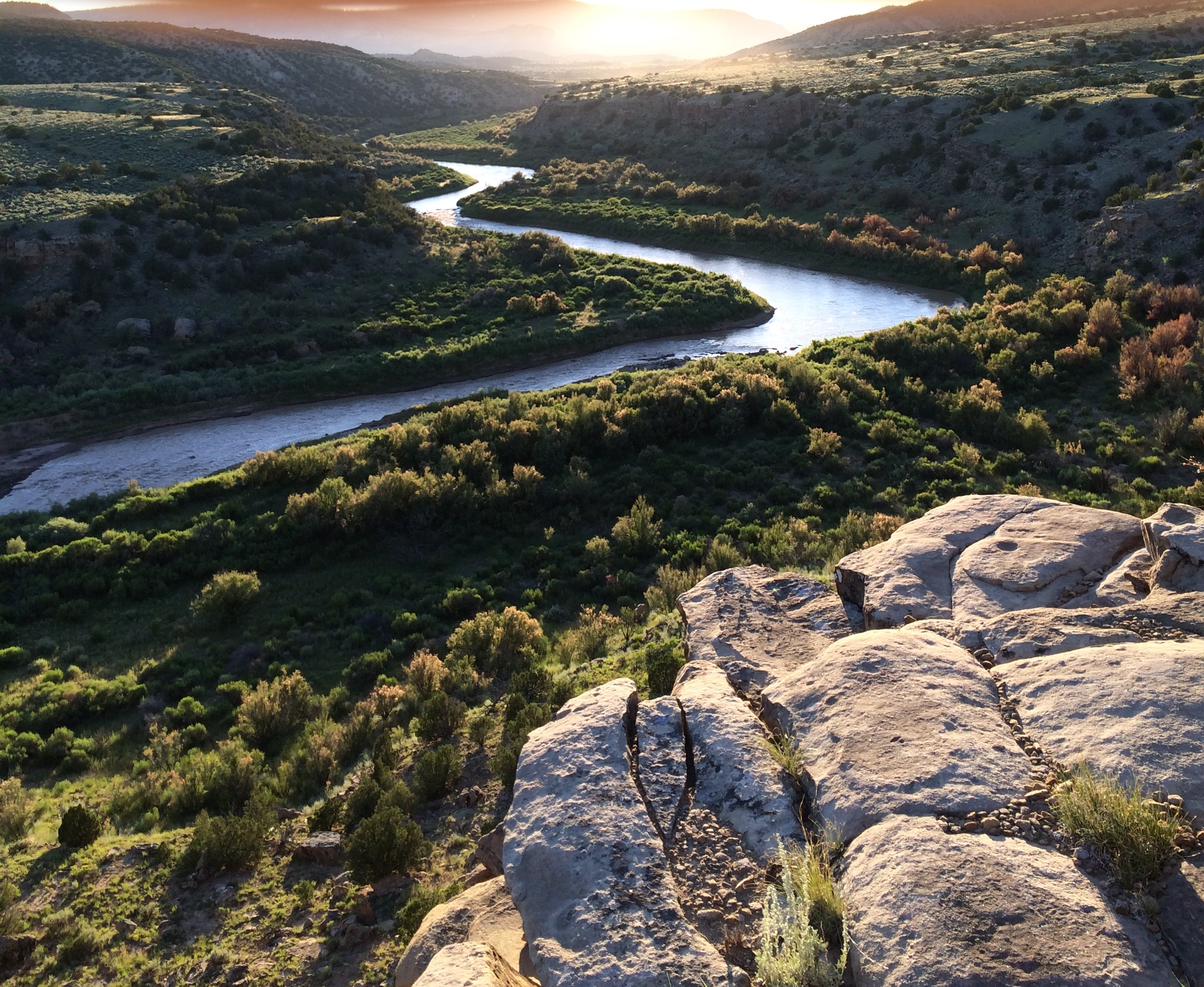
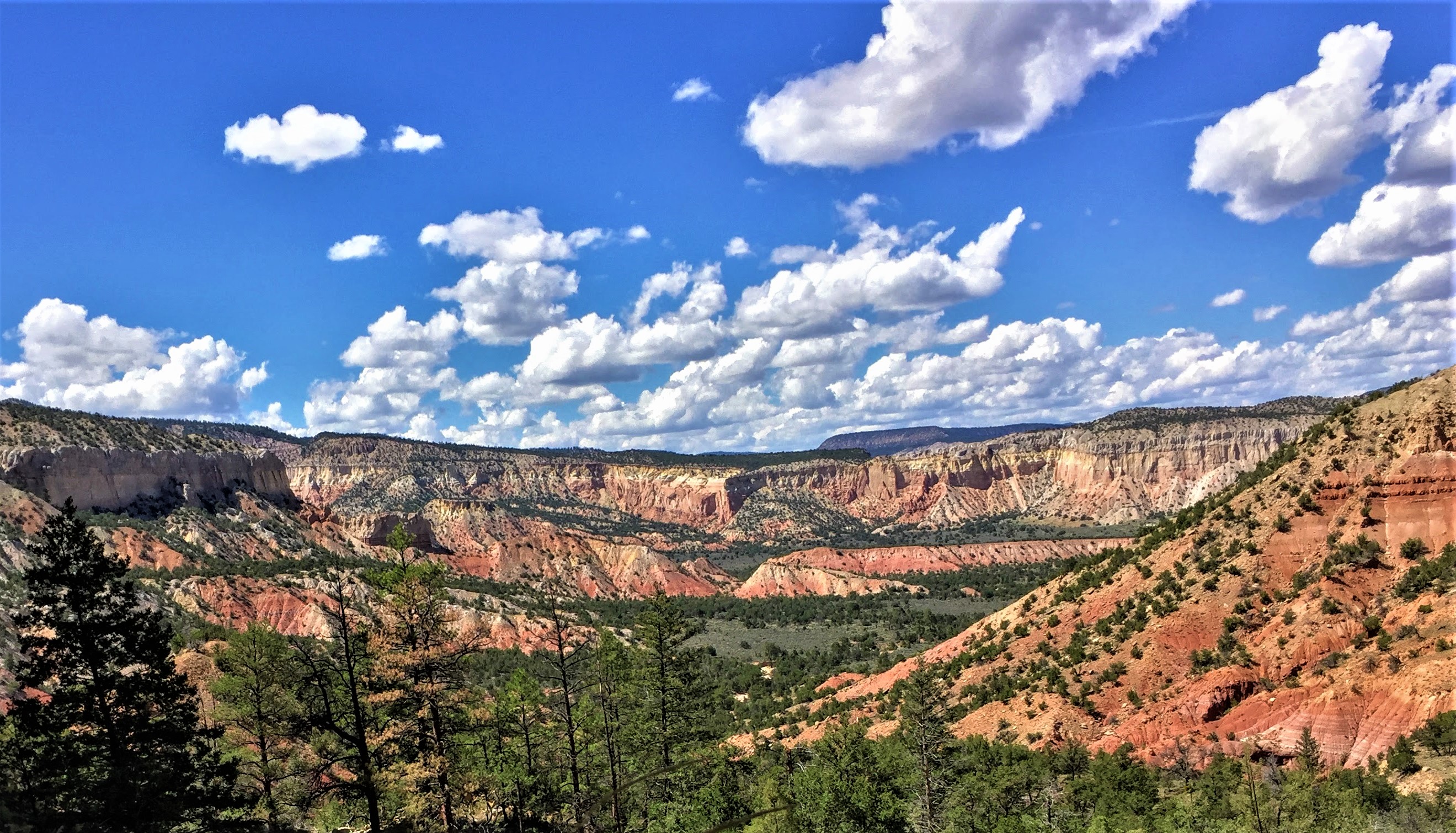
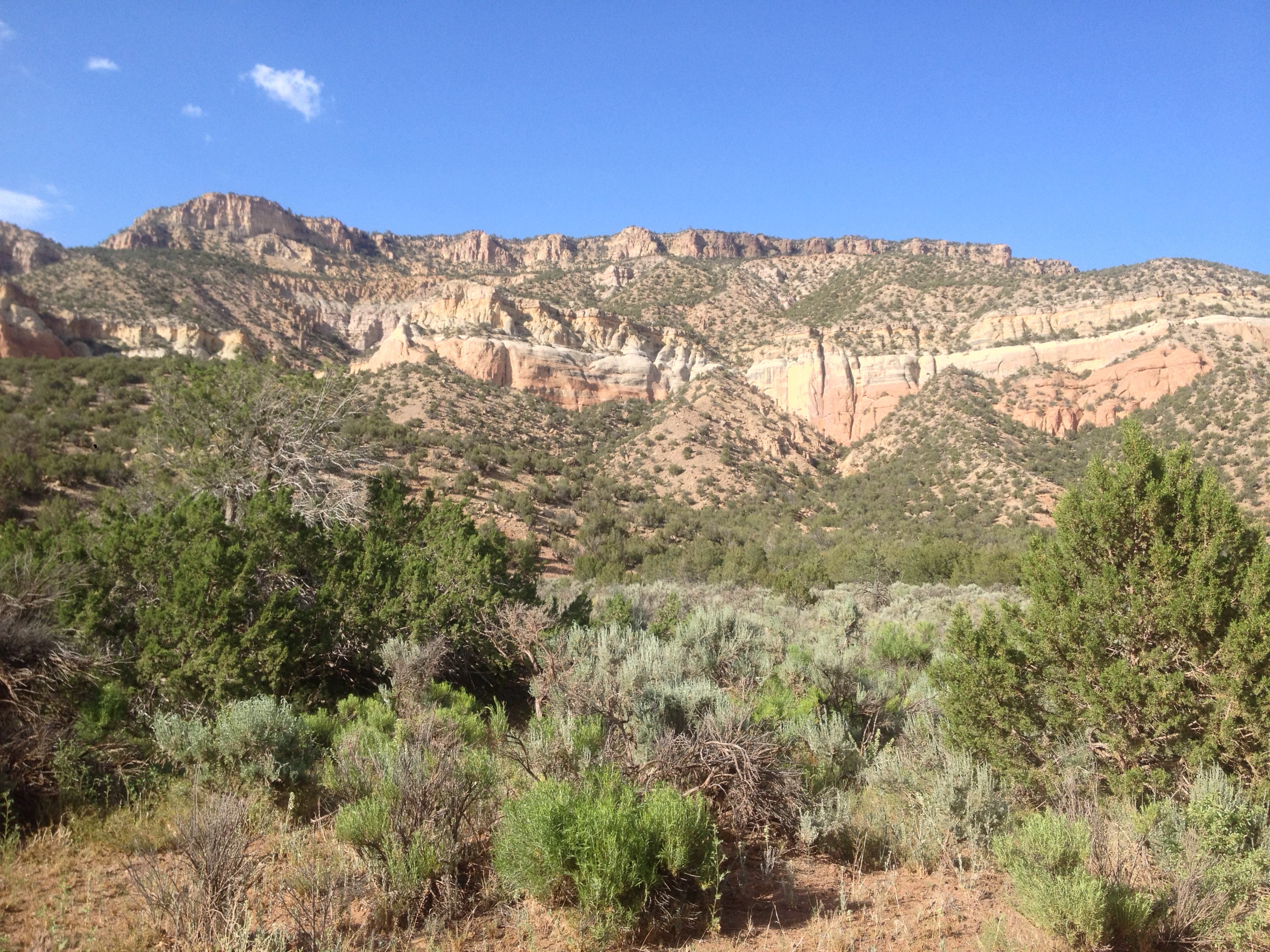
The Rio Chama and the Carson National Forest above it are the lifeblood of Hispano and tribal communities and ways of life that span centuries. The Carson National Forest rises above the villages of the Chama Valley and serves as the headwaters for water systems that feed acequia ditches, community wells, and agricultural operations throughout northern New Mexico. The Chama River is a principal tributary of the Rio Grande, a critical water source for communities across the entire state.
Acequia irrigation systems in the Chama Valley—associated with the Piedra Lumbre, Tierra Amarilla, and San Joaquín del Rio de Chama land grants—have continuously sustained agricultural production and community identity for more than 400 years. Tribal nations — including the Pueblo of Taos, Ohkay Owingeh, Picuris, Santa Clara, and the Jicarilla Apache Nation — have exercised cultural, ceremonial, and subsistence ties to this landscape since time immemorial. This watershed is a critical source of water infrastructure essential to the communities of northern New Mexico.
The Legacy of Uranium Mining in New Mexico
New Mexico has already paid a price for the nation’s nuclear ambitions. Decades of uranium mining left behind hundreds of abandoned mines scarring the landscape on and near the Navajo Nation, including Mount Taylor, where groundwater that sustained families for generations is now contaminated. Communities near these legacy sites suffer elevated rates of kidney disease and cancer. The federal government has spent hundreds of millions on cleanup, yet significant contamination remains unaddressed decades later.
The communities most affected are often marginalized tribal and rural communes whose voices have been overlooked. When Gamma Resources describes New Mexico’s uranium deposits as “low-hanging fruit,” this is what they are proposing to continue.
In-Situ Leach Uranium Mining and the threat to the aquifer
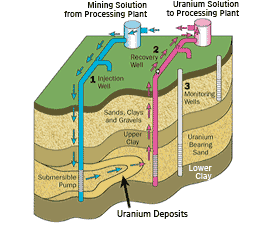
In-situ leach (ISL) uranium mining injects chemicals into aquifers to dissolve uranium, spreading contamination across underground water that can never again serve as drinking water once granted a Safe Drinking Water Act exemption. The industry claims it’s perfectly safe, but nearly all eight active U.S. ISL operations have recorded violations, from spills to failed reclamation, and the industry has never fully restored a single polluted aquifer, with cleanup dragging on for decades or proving outright impossible.
In the Rio Chama headwaters, where acequia farmers, tribal nations, and rural families have no alternative water source, that track record makes this an unacceptable risk.
Communities Impacted
Tribal Nations
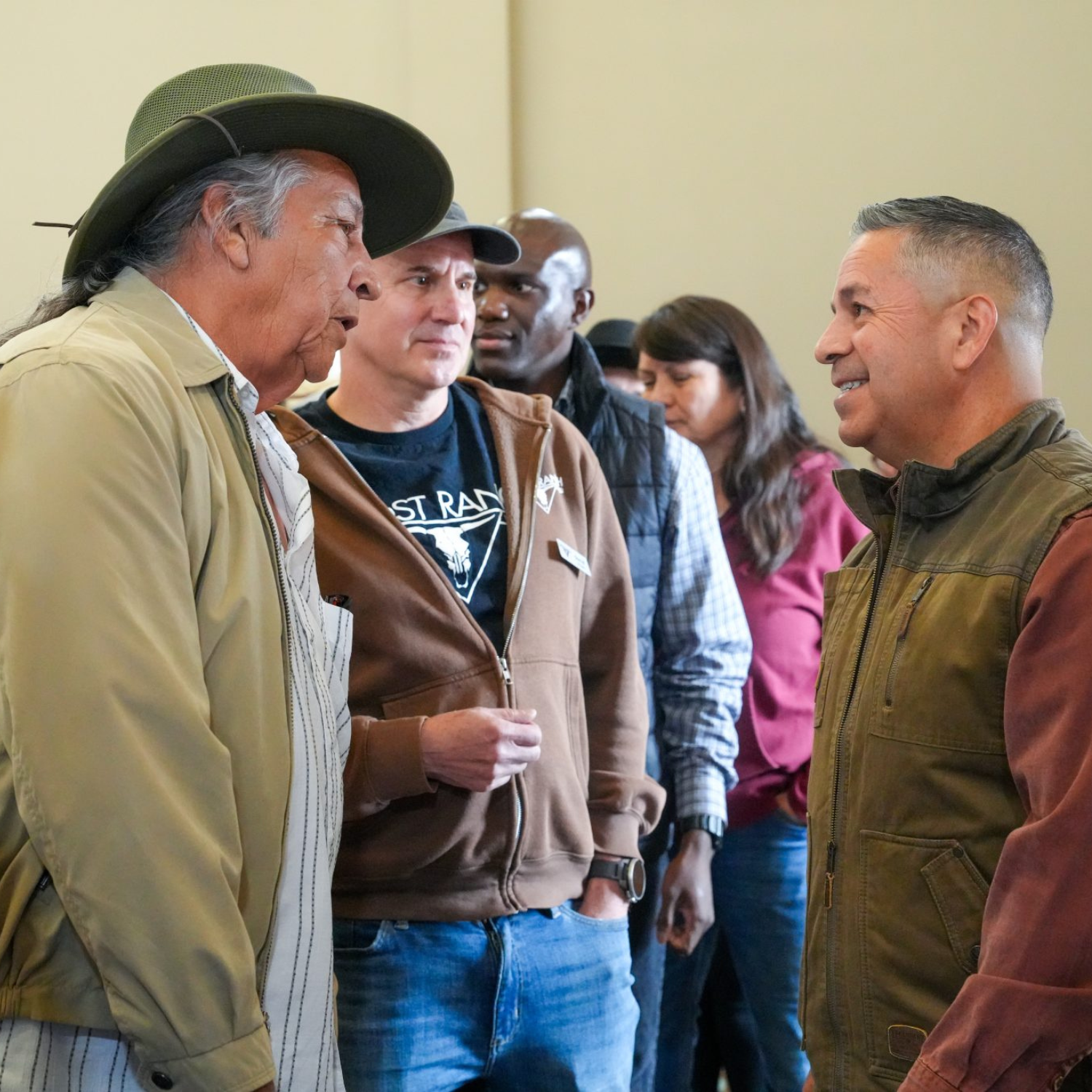
Five tribal nations with deep ties to the Chama watershed are demanding government-to-government consultation before any permit is issued: the Pueblo of Taos, Pueblo of Ohkay Owingeh, Pueblo of Picuris, Pueblo of Santa Clara, and the Jicarilla Apache Nation. Senator Luján is pushing the Forest Service to conduct this consultation before NEPA formally begins — not after.
Ranchers & Farmers
The NM Farm and Livestock Bureau, the Stockman Association, Latino Ranchers International, and the Western Landowners Alliance have all engaged with the coalition. Ranching and agricultural operations throughout the region depend on the integrity of the watershed that Gamma Resources proposes to disturb.
Acequia Communities
The New Mexico Acequia Association, NM Acequia Commission, and individual acequia communities throughout the Chama Valley depend on clean water from the Carson National Forest. Even at the exploratory stage, new road cuts and drill pads increase erosion and sedimentation — and for gravity-fed acequia systems, even small changes in sediment load can mean a lost agricultural season.
Land Grants
The NM Land Grant Council, the Tierra Amarilla Land Grant, and the San Joaquín del Río de Chama Land Grant are organized in opposition. These are not abstract institutions — they represent families whose connection to this land predates New Mexico’s statehood.
Who Is Gamma Resources Ltd.?
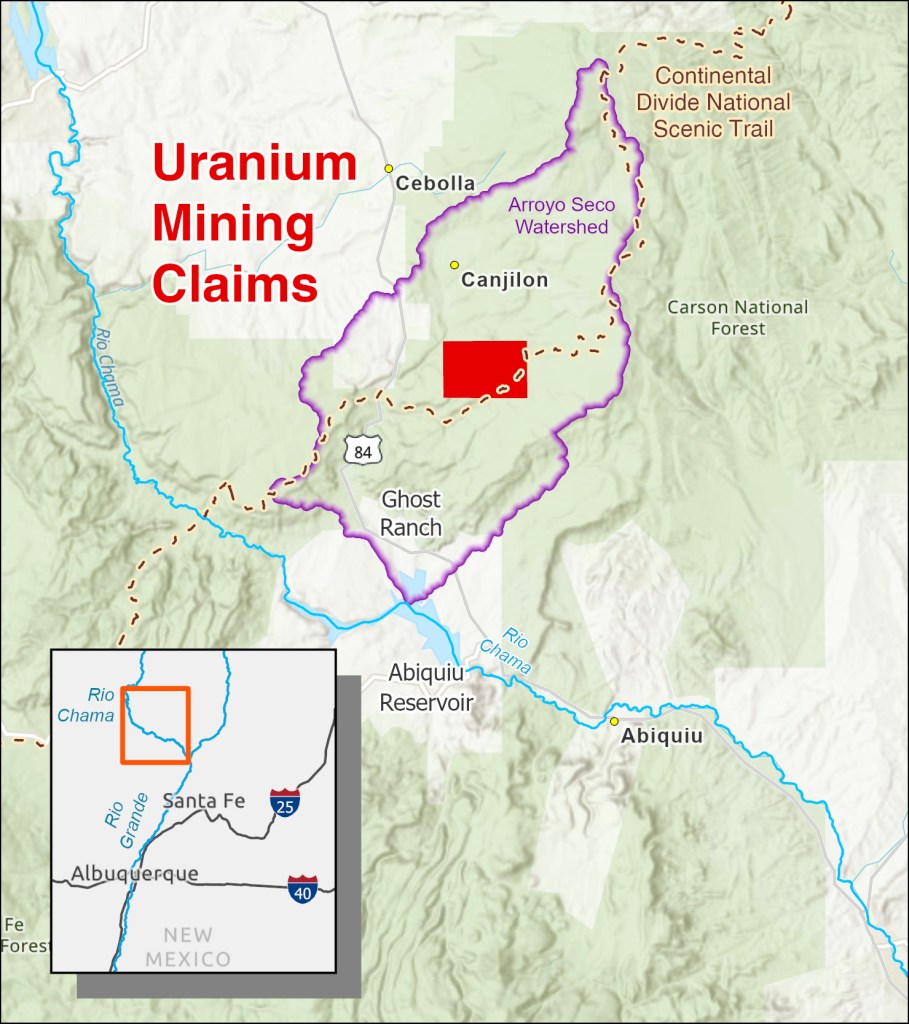
Gamma Resources Ltd. is a Vancouver-based company trading on the TSX Venture Exchange (ticker: GAMA). Its U.S. subsidiary, C Bar B Properties Corp., holds the New Mexico uranium claims. This company has never brought a mining project to production.
The company’s own investor materials describe New Mexico’s uranium deposits as “low-hanging fruit.” Its auditors have flagged an ongoing “going concern” warning. The accumulated deficit stands at approximately $31 million CAD (~$22.6 million USD), with no production revenue. In 2025, the company lost roughly $79,000 CAD.
Gamma lost its core IP license from Purdue University in October 2023 after defaulting on a sponsored research agreement, then pivoted to uranium. Its New Mexico and Utah uranium claims were acquired in April 2025 under a four-year lease.
congressional plan to Stop This Project
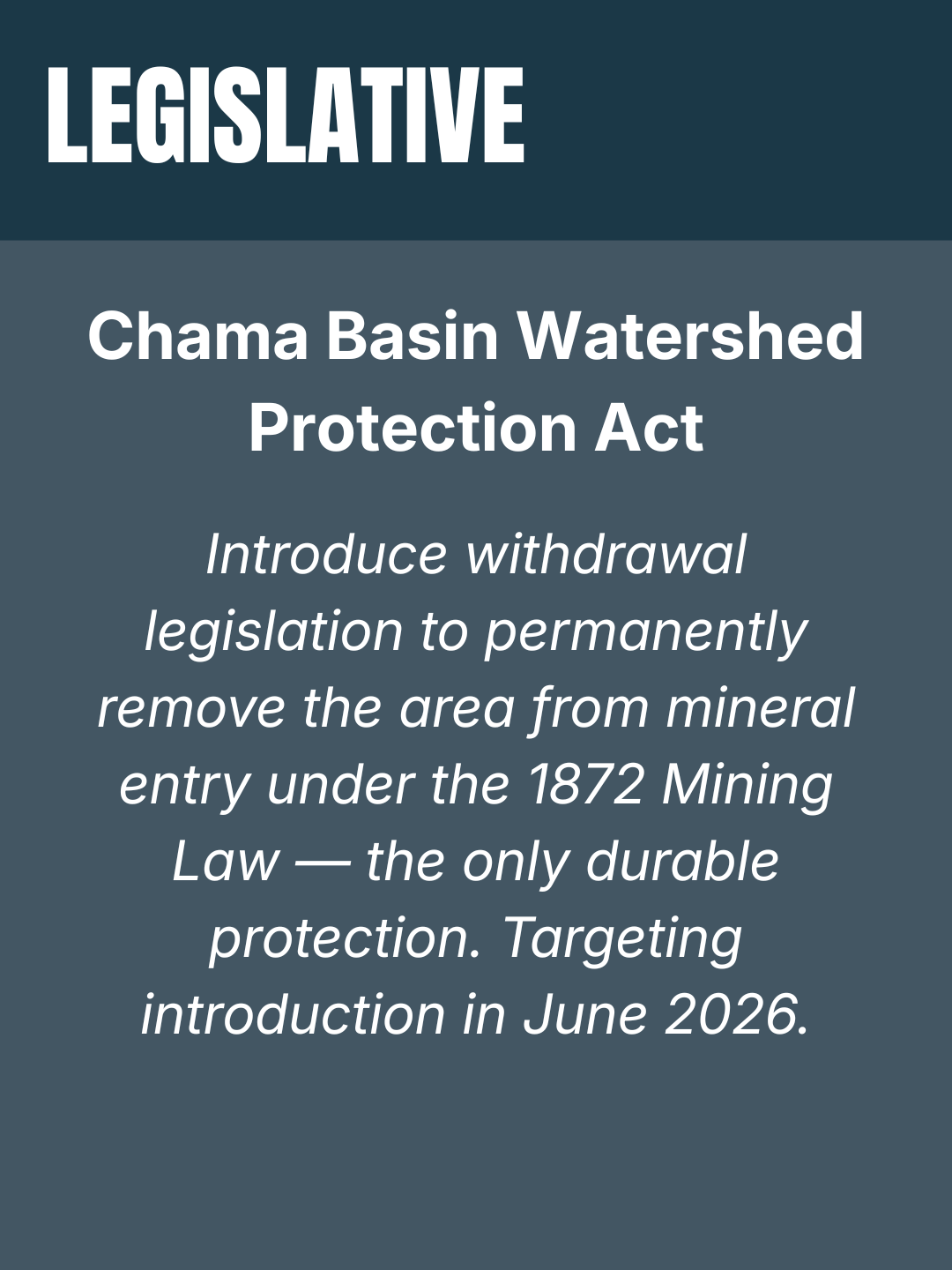
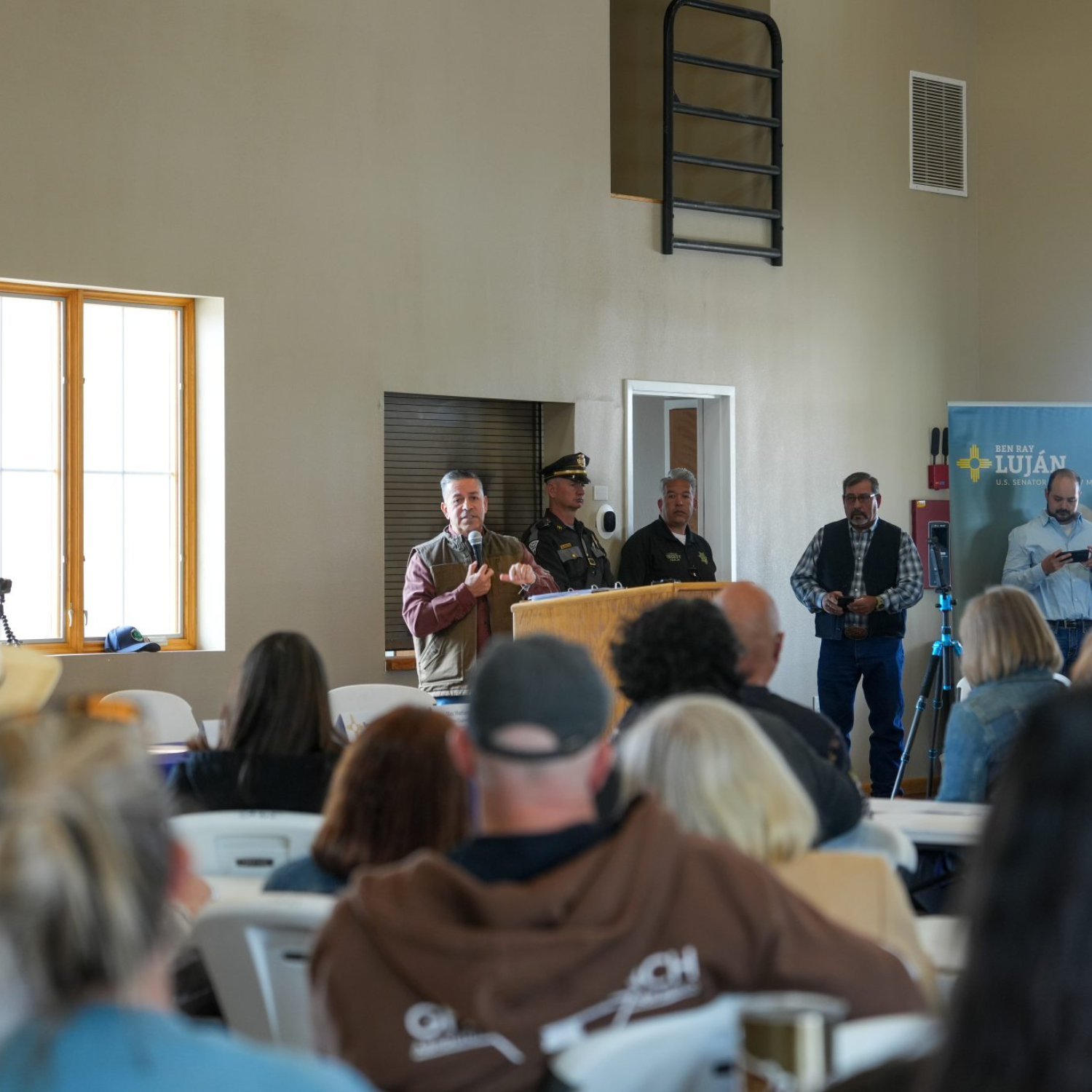
Senator Luján’s office has organized a three-track response with Administrative, Legislative, and Grassroots components designed to work in parallel and reinforce one another. The goal is to make the Gamma Resources project legally burdensome, politically costly, and financially unviable for investors, while building the only lasting protection through permanent withdrawal legislation.

 PROTECT RIO CHAMA